

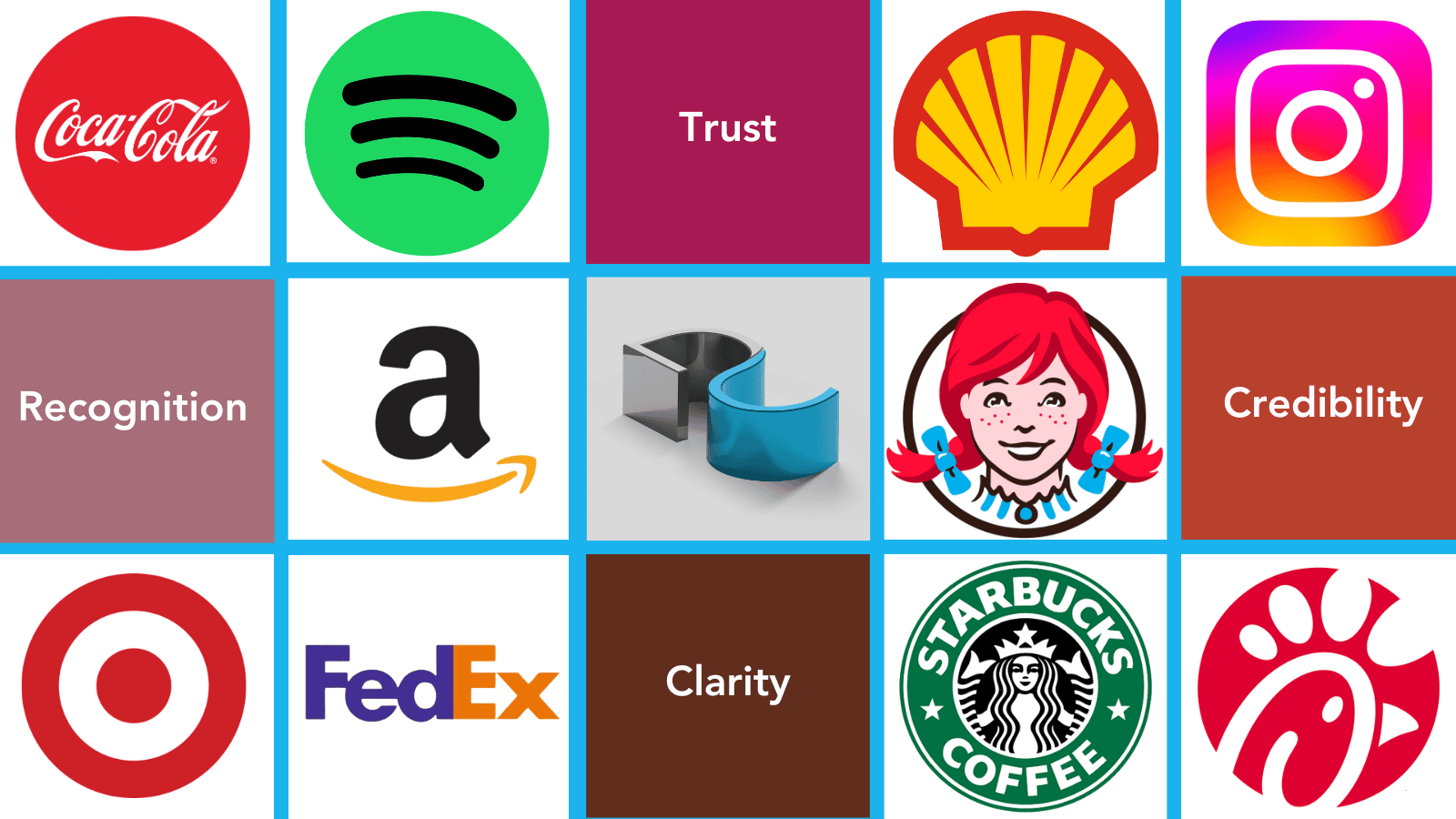
Most businesses don’t have a brand problem. They have a consistency problem. Logos, colors and core messages are only valuable when they’re used correctly. Although many businesses today spend thousands of dollars on branding, the way it’s implemented tends to slip. According to research that tracked select companies throughout 2025, the ones that consistently did it right realized increased revenues of up to 33%.
First of all, let’s get on the same page about what a “brand” even is. On the surface, it’s a cohesive logo with colors that represent who you are. Down deeper, your brand tells people you care about what you deliver and you live up to what you promise. Overall, it’s your public image. State Farm is the good neighbor you can count on in a crisis. Nike is the fuel behind your ambition: just do it. Even Wendy’s is known for being the fast food brand that doesn’t take itself too seriously, clapping back on social media while still selling you a Frosty.
Inconsistency erodes trust and drives up costs: using different logo versions, shifting color schemes or changing messaging tone between channels confuses customers. Marketing campaigns become less effective when brand recognition weakens. Consistency is what turns a first impression into a lasting relationship.
Customers spend money on what they know. If they don’t know you, they will be skeptical about buying from you. According to Edelman’s Trust Barometer, 81% of consumers say trust is a prerequisite for purchasing from a brand.
Inconsistency can also cost money from the inside out. Internal teams can end up recreating materials from scratch or correcting off-brand content and revising campaigns when they realize something is off. All of that wastes staff time and increases production expenses.
Where does it break down? Shifting between different logos leaves customers confused and asking which one is “right.” Even color drift between print, digital and social signals to customers that no one is minding the store. Your tone of voice between different platforms also affects your overall brand. While LinkedIn is usually more professional than Instagram, the overall tone, voice and core characteristics should be consistent. If Chick Fil A used its iconic, incorrectly spelled tagline “Eat Mor Chikin” one place and “Eat More Chicken” on another platform, people would notice.
So, what should you do?
- In practice, consistency begins with a system. That system starts with brand guidelines. This is an actual document that lays out everything from visual elements to tone of voice and messaging.
- Remember, brand guidelines aren’t just for designers; everyone touching your brand needs them. Get your team on board and perhaps even assign a small team as the “brand police.” (They won’t be popular, so make it worth their while!)
- Get in the habit of auditing your branding annually at a bare minimum and quarterly if possible. Review your website, social media and even customer service interactions to ensure it is consistent across all platforms.
It pays off. Consistent branding results in 3.5x more visibility, according to brand templating platform Marq. In a crowded market, that’s the difference between being remembered and being overlooked.
Edelman’s Trust Barometer also found that when customers truly trust a brand, they advocate for you to their friends, they defend you when someone talks badly about you online and they will often even pay more without flinching. That kind of loyalty is only earned through thousands of consistent touchpoints over time – not a single ad campaign.
The bottom line: consistency lowers what it costs to win new customers over time because your brand is doing the work for you before you ever make a pitch. Start small by making a simple list of every place your brand shows up: your website, your social profiles, your signage and even your email signature. Then it’s time to make a more long-term plan; because the brands people trust didn’t get there by accident, they got there by showing up the same way, every single time. We’re here to help if you need us!